 how-to
How to Organize Small Business Bookkeeping
Table of Contents
- How to Organize Small Business Bookkeeping
- Small Business Bookkeeping Checklist
- Best Accounting Software for NY Small Businesses
- Frequently Asked Questions
Last Updated: September 23, 2026
How to Organize Small Business Bookkeeping
Organizing your bookkeeping reduces stress and gives you control of your finances. At Paldino Company CPA, we help small business owners in Mamaroneck and across New York set up systems that work, so you spend less time chasing numbers and more time running your business.
Organizing small business bookkeeping tracks every dollar, prevents losses, and makes tax time manageable, yet most business owners skip this step and face confusion, missed deductions, and costly errors.
Small Business Bookkeeping Checklist
Start with these steps to organize small business bookkeeping from the ground up.
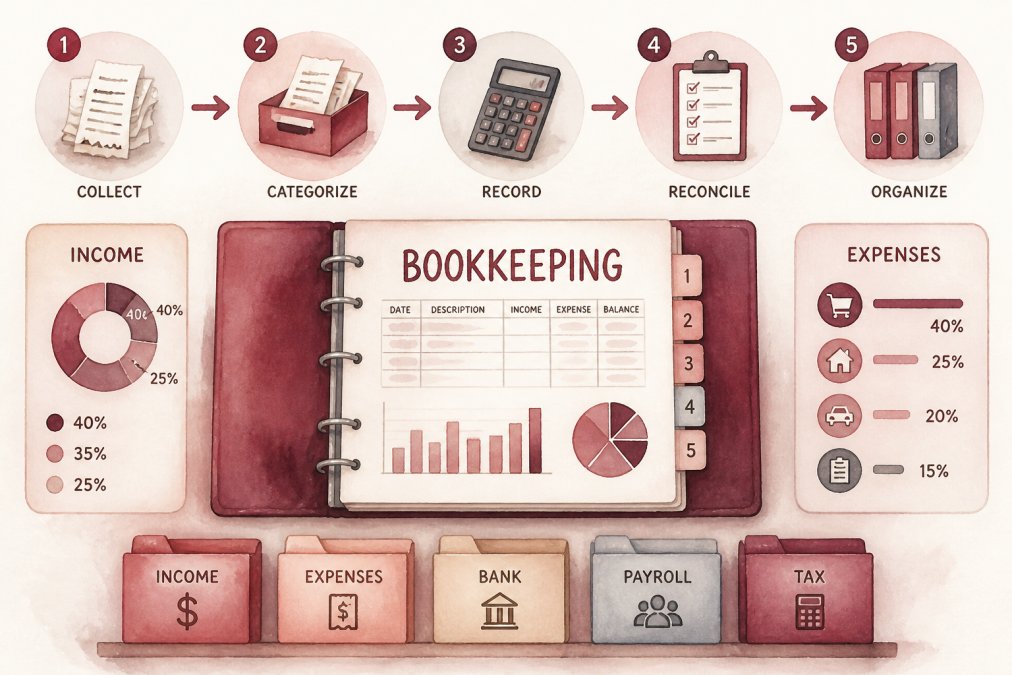
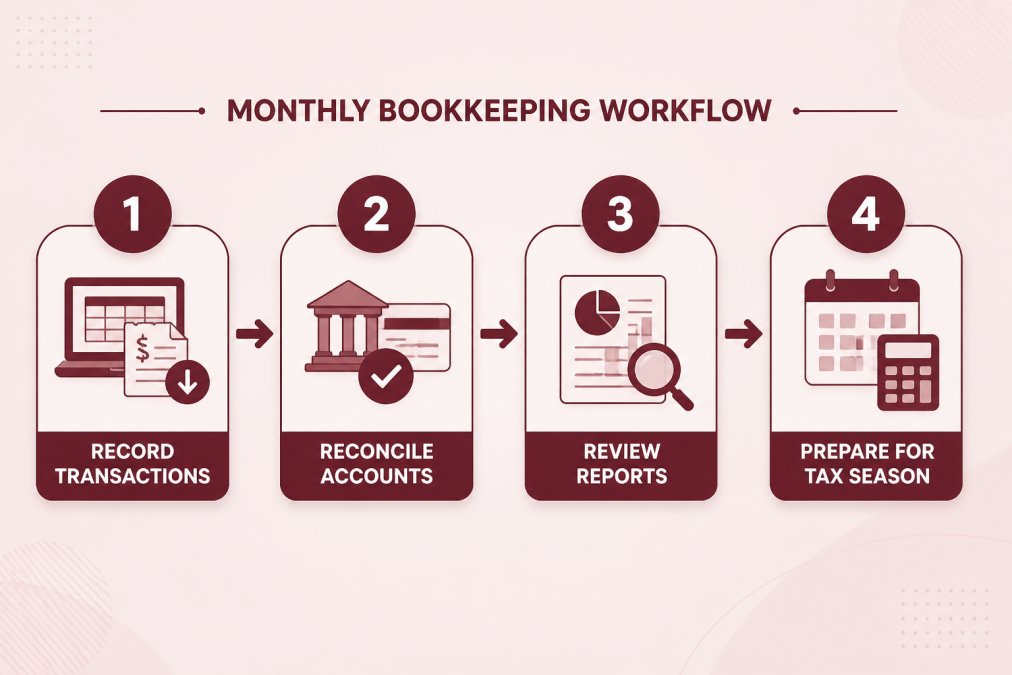
Set up a dedicated business bank account to separate personal and business money, cutting bookkeeping time in half. Create a chart of accounts listing every account where money flows in or out. Choose a transaction recording method, most small businesses use cash basis; ask your accountant which fits your situation. Reconcile your accounts monthly by matching bank statements to your records. Track receipts and invoices in organized digital folders by month and category. Review your reports quarterly to spot trends and catch mistakes.
Best Accounting Software for NY Small Businesses
The right software makes organizing small business bookkeeping effortless by handling daily transactions, integrating with your bank, tracking invoices and expenses, generating profit-and-loss reports, organizing tax categories, and offering mobile access.
Choose between simple tools for basic needs or full-featured tools for more control, your decision depends on transaction volume, whether you have employees, and your reporting needs.
Test software for three months to confirm it fits your workflow before fully committing.
Organizing small business bookkeeping requires consistency and the right tools. Clean books give you clarity for better decisions and less stress at tax time.
If your bookkeeping is already a mess, don't panic. Paldino Company CPA helps small business owners in Mamaroneck and throughout New York get organized, fix past errors, and build systems that stick. We combine professional precision with a human approach, no jargon, just clear guidance on what matters for your business. Schedule an Appointment to discuss your bookkeeping challenges and learn how we can help you gain control of your finances.
Frequently Asked Questions
What are the basic steps to organize small business bookkeeping?
Start by separating personal and business finances into dedicated accounts. Choose accounting software suited to your business size and type. Then establish a regular schedule, weekly or monthly, to record all transactions, including income and expenses. Reconcile your bank accounts monthly to catch discrepancies early. Finally, organize receipts and supporting documents systematically so everything is easy to find at tax time. Consistency matters more than perfection.
How long do I need to keep business records in New York?
New York requires businesses to retain records that support tax returns and financial statements. Generally, keep records for at least three years from the date you file your return or the return due date, whichever is later. Some records, like those related to property or significant transactions, may need to be kept longer. Consult the New York Department of Taxation and Finance or a tax professional for your specific situation, as requirements vary by entity type and transaction.
What's the best accounting software for a small business in New York?
The best software depends on your business structure, transaction volume, and budget. Popular options for small businesses include cloud-based platforms that integrate with banking, automate categorization, and generate tax reports. Look for software that handles New York State payroll taxes if you have employees, supports multi-user access, and offers affordable pricing as you grow. Many accountants can recommend platforms they work with regularly and help you set them up correctly from the start.