 comparison
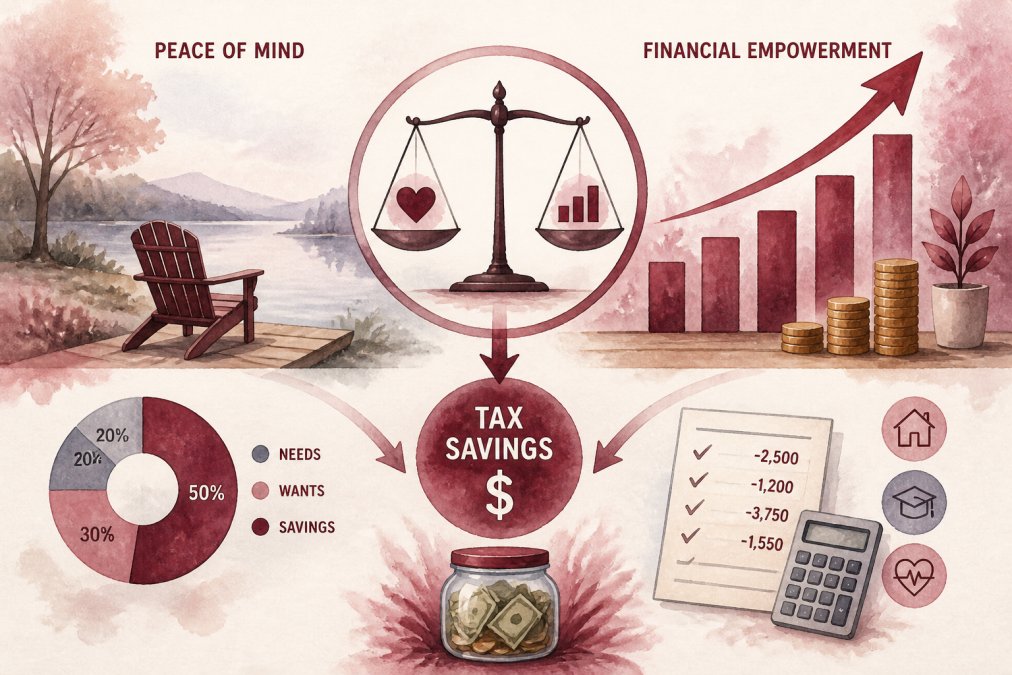
Peace of Mind vs. Financial Empowerment: Tax Savings
Table of Contents
- Financial Clarity and Tax Savings: What Actually Matters
- Tax Help for New Businesses: Building the Right Foundation
- Proactive Tax Strategies for Entrepreneurs in Westchester County
- Frequently Asked Questions
Last Updated: September 19, 2026
Financial Clarity and Tax Savings: What Actually Matters
Financial clarity tax savings starts with understanding your complete financial picture as the foundation of effective tax planning. When you understand your complete financial picture, income sources, deductions, timing, and entity structure, you can make decisions that reduce what you owe rather than scrambling to file at the last minute.
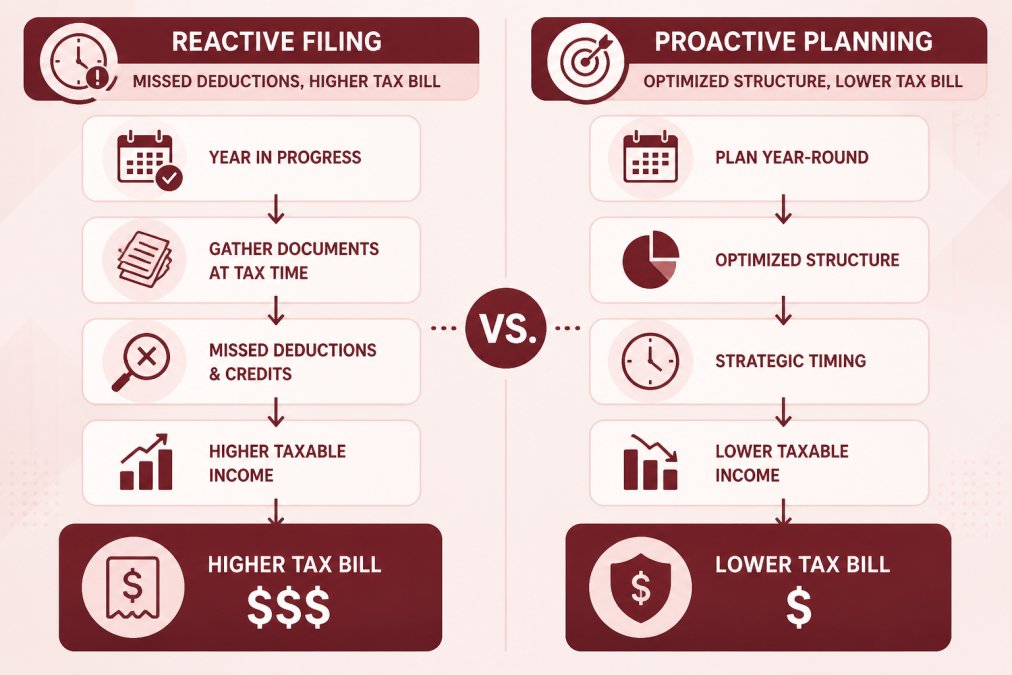
Most business owners operate in reactive mode, handing everything to an accountant in March or April, by then the year is done and there's nothing left to optimize.
Proactive tax planning starts during the year: you understand projected income early enough to make structural decisions, time major purchases strategically, and catch errors before they become IRS problems.
Tax Help for New Businesses: Building the Right Foundation
New businesses face a critical decision in their first year: how to organize legally and financially, which many owners choose without understanding the actual tax implications.
The right structure depends on income level, business type, liability concerns, and growth plans, an LLC taxed as an S-corp might save a $150,000 freelancer thousands in self-employment taxes, but create unnecessary complexity for someone earning $40,000.
Getting this right from the start prevents costly restructuring later and removes administrative distraction so you can focus on growing revenue.
Paldino Company CPA helps new entrepreneurs in Westchester County understand which structure makes sense and builds accounting systems that work from day one.
Proactive Tax Strategies for Entrepreneurs in Westchester County
Entrepreneurs typically fall into three categories: those who track meticulously but don't optimize, those who understand optimization but lack discipline to execute, and those who work with a CPA who keeps them on track.
The first group often overpays because they're not timing major expenses strategically or catching missed deductions.
The second group understands optimization but lacks a system to execute it.
The third group has accurate numbers and a plan to optimize them, knowing tax liability before year-end.
Working with a CPA who understands your business model and the New York tax environment delivers financial clarity tax savings, spotting opportunities while keeping you compliant and minimizing what you owe.
| Approach | Peace of Mind | Financial Empowerment | Year-Round Support |
|---|---|---|---|
| DIY filing | Limited | Limited | No |
| Once-a-year CPA | High | Low | No |
| Proactive CPA partnership | High | High | Yes |
Business owners who engage with tax planning throughout the year report higher confidence in financial decisions and pay less in taxes through informed choices rather than reactive ones.
Frequently Asked Questions
What's the difference between financial peace of mind and financial empowerment?
Peace of mind comes from knowing your financial situation is organized and monitored, you understand where you stand and trust that someone qualified is watching for problems. Financial empowerment means you have the clarity and strategies to make intentional decisions that improve your outcome. Both matter: peace of mind reduces stress, while empowerment through financial clarity lets you actually optimize your tax liability and build wealth strategically.
How does financial clarity lead to better tax savings for small businesses?
When you have clear visibility into your income, expenses, and business structure, you can identify tax-saving opportunities before the year ends. Clarity reveals whether you're using the right entity type, whether you're maximizing deductions, and where strategic timing of income or expenses could reduce your tax bill. Without clarity, you're filing reactively based on what happened, with it, you're planning proactively for what comes next.
Why is proactive tax planning better than reactive tax preparation?
Reactive tax preparation means filing based on what already happened, you've already made the decisions that determine your tax liability. Proactive tax planning happens throughout the year, letting you adjust business structure, timing of income, retirement contributions, and deductions before December 31st. This approach typically results in lower tax bills because you have time to implement strategies, not just report outcomes.
Navigating taxes as a business owner or entrepreneur shouldn't mean choosing between peace of mind and financial empowerment. The right accounting partner delivers both. Schedule an appointment with Paldino Company CPA to discuss your situation and discover how proactive tax planning can work for your business.