 ultimate-guide
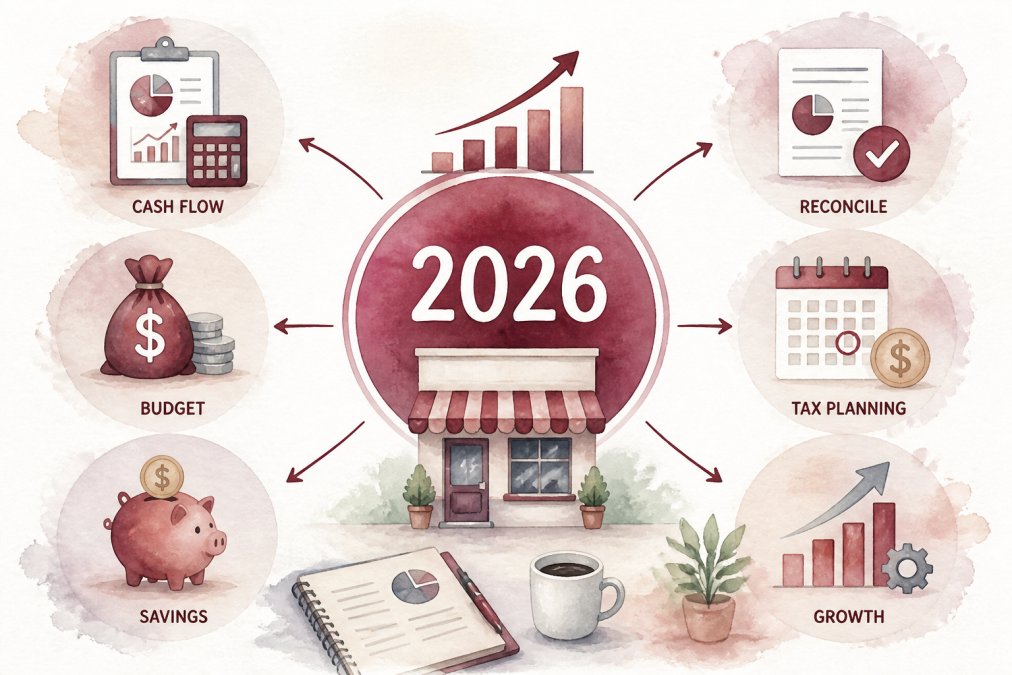
Small Business Accounting Tips for 2026
Table of Contents
- Separate Personal and Business Finances
- Small Business Bookkeeping Best Practices
- Accounting Software for Small Business 2026
- Tax Help for New Businesses
Last Updated: August 21, 2026
Separate Personal and Business Finances
The foundation of solid small business accounting tips starts with a clear boundary between your personal and business money. Many business owners mix these accounts early on, thinking it's simpler. It's not. The moment you blend them, you lose the ability to track true business profitability, complicate tax filing, and invite IRS scrutiny during an audit (irs.gov).
Open a dedicated business bank account immediately. This single step transforms your accounting from guesswork into reality. Every business expense, every customer payment, every owner withdrawal flows through one place. Your accountant can reconcile it. Your tax liability becomes clear. You know what you actually earned.
At Paldino Company CPA, we help freelancers and small business owners by emphasizing the importance of maintaining this separation. It's not glamorous, but it's non-negotiable. Use your business account for business only. Pay yourself through documented owner draws or payroll. Keep your personal account personal.
Small Business Bookkeeping Best Practices
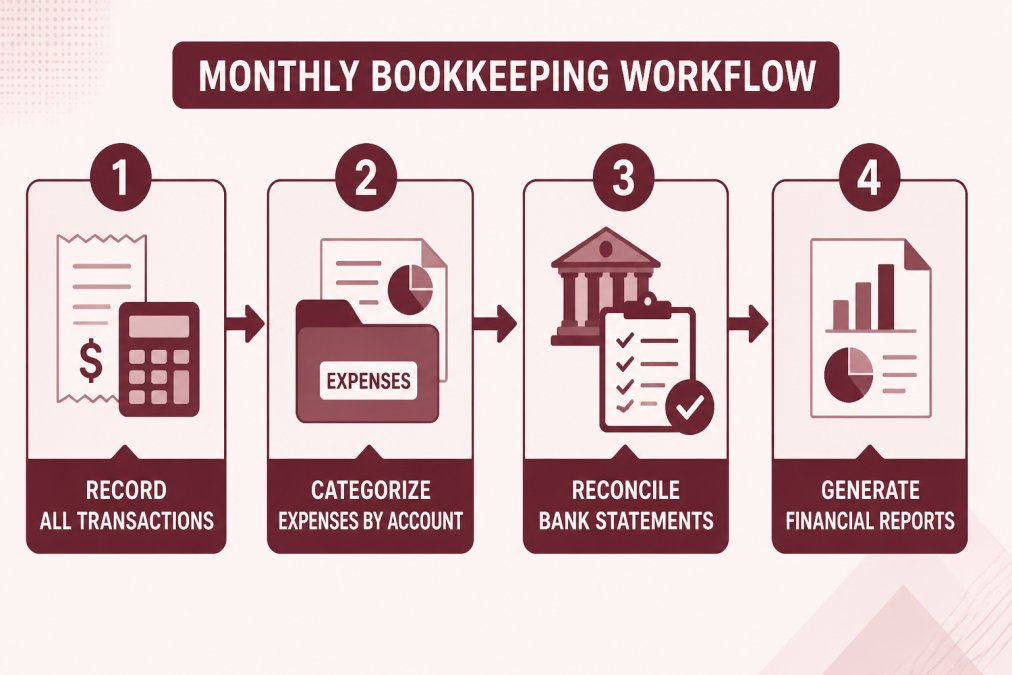
Strong bookkeeping is the backbone of small business accounting tips that actually work. Bookkeeping means recording every transaction, sales, expenses, payroll, loans, in a consistent, organized way. Without it, you're flying blind.
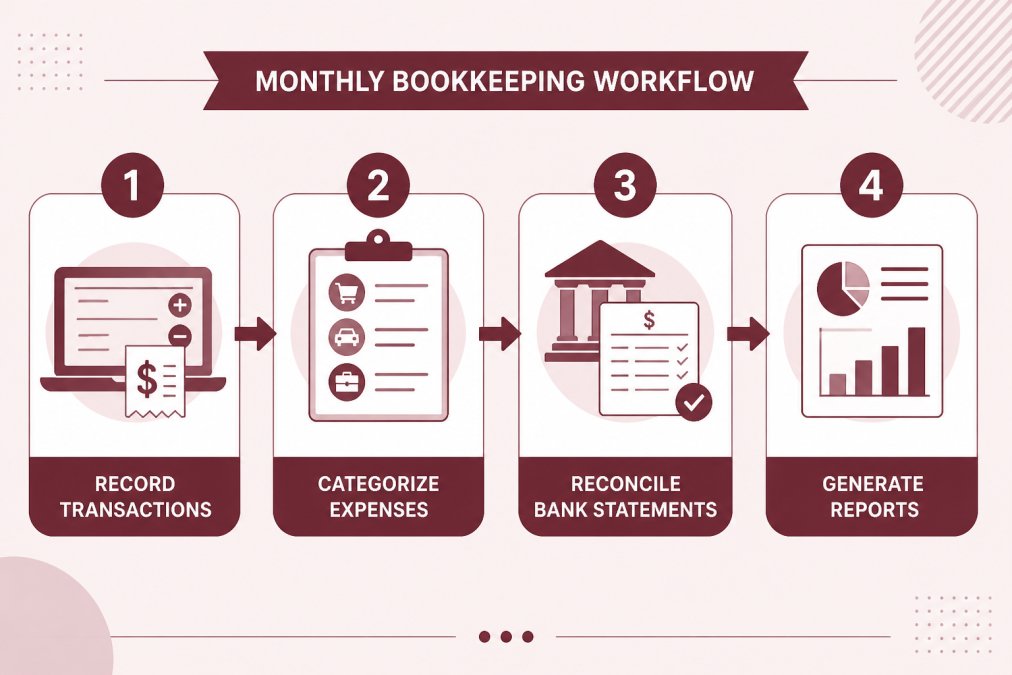
Start by establishing a chart of accounts. This is your accounting framework, a list of every account type your business uses. Assets, liabilities, revenue, expenses: each gets its own line. When you categorize a transaction, you're assigning it to one of these accounts. This structure lets you see exactly where money comes from and where it goes.
Record transactions as they happen. Don't wait until tax season. A sale today, an expense tomorrow, log them immediately. This real-time approach catches errors early and gives you current financial visibility. Many small business owners use cloud-based accounting software to automate this. Others use spreadsheets. The tool matters less than the discipline.
Reconcile your bank statements monthly. Pull your statement, compare it to your records, and explain any differences. This catches duplicate entries, missed transactions, and fraud. It takes an hour. It saves your business.
Accounting Software for Small Business 2026
Choosing the right accounting software is a critical part of implementing small business accounting tips effectively. The software you select shapes how easily you track finances, file taxes, and make decisions.
Cloud-based solutions dominate the market because they're accessible, affordable, and integrate with other tools your business already uses. Many platforms offer automation features that reduce manual data entry and cut bookkeeping time significantly. Real-time reporting means you see your financial position instantly, not weeks later.
When evaluating options, consider your specific needs. Are you tracking inventory? Do you have employees on payroll? Do you need multi-user access? Integration with your bank, payment processor, or e-commerce platform matters. Some platforms excel at simplicity for solopreneurs. Others handle complex multi-entity businesses with ease.
The best approach is to start with a solution that matches your current complexity, knowing you can upgrade as you grow. Many platforms offer free trials. Use them. The software you choose should feel intuitive, if you're fighting it, you won't use it consistently.
Tax Help for New Businesses
Tax planning for new businesses is where small business accounting tips translate into real savings. Many entrepreneurs delay tax planning until they file, then discover they've missed deductions or chosen the wrong entity structure.
Start by understanding your business entity. Are you a sole proprietor, LLC, S-corp, or C-corp? This choice affects how much self-employment tax you pay, what deductions you can take, and how much paperwork you'll file (irs.gov). It's not a permanent decision, but changing it later costs time and money. Get this right upfront.
Track deductible expenses from day one. Office supplies, equipment, software subscriptions, mileage, meals with clients, these reduce your taxable income. Many new business owners leave money on the table by not documenting them. Keep receipts. Categorize them properly. Your accountant can help identify deductions you might miss.
Estimated quarterly tax payments keep you compliant and avoid penalties. If you expect to owe more than a certain amount at tax time, the IRS requires you to pay in advance (irs.gov). Calculate this early in the year, not in December.
Consider working with a tax professional who understands your industry. They'll identify strategies specific to your situation, timing of income, retirement plan options, entity structure optimization, that generic tax software can't offer. The cost of professional guidance typically pays for itself through tax savings and peace of mind.
Frequently Asked Questions
What are the most important accounting changes for small businesses in 2026?
Key changes include evolving IRS compliance requirements and increased emphasis on real-time financial reporting. Many small businesses are adopting cloud-based accounting software to meet these demands and improve audit trail visibility. Staying current with tax law changes and maintaining accurate records through automation helps you avoid penalties and make better business decisions. Consult with a tax professional to understand how 2026 requirements apply to your specific business structure.
How can I automate my small business bookkeeping in 2026?
Modern accounting software integrates with your bank accounts and payment processors to automatically categorize transactions, reducing manual data entry. Many platforms now use AI-driven features to flag unusual expenses, suggest account classifications, and generate real-time financial reports. Start by choosing cloud-based software that connects to your existing business tools, then set up automatic bank feeds and reconciliation. Automation reduces errors, saves time, and gives you clearer visibility into your financial health without requiring constant manual effort.
What common accounting mistakes should small business owners avoid?
The biggest mistakes include mixing personal and business finances, failing to reconcile bank statements regularly, and neglecting to track deductible expenses. Many owners also underestimate their tax liability by not setting aside funds throughout the year or choosing the wrong accounting method. Waiting until tax season to organize records creates stress and often results in missed deductions. Establish a consistent routine early: separate accounts, monthly reconciliation, expense tracking, and quarterly tax estimates prevent costly errors and keep your financial health intact.
Building strong accounting habits now prevents costly problems later. Separate your finances, maintain consistent records, choose software that works for your business, and plan your taxes strategically. These small business accounting tips form the foundation of financial clarity and growth. Reach out to Paldino Company CPA to discuss how year-round tax support and strategic planning can simplify your accounting process and help you focus on running your business.
This article was written using GrandRanker