 Listicle
Small Business Tax Deductions 2026: What's New
Table of Contents
- Small Business Tax Deductions for 2026: An Overview
- Startup Business Tax Deductions and Eligibility
- Business Expense Deduction Examples and Common Categories
- Tax Deductions vs. Tax Credits for Small Businesses
- Frequently Asked Questions
Last Updated: October 20, 2026
Small Business Tax Deductions for 2026: An Overview
Understanding new small business tax deductions in 2026 can significantly reduce your tax burden. At Paldino Company CPA, we help small business owners in Mamaroneck and throughout Westchester County identify deductions they might otherwise miss. The IRS allows deductions for ordinary and necessary expenses, so knowing which qualify is the difference between overpaying and keeping more of what you earn.
Small business tax deductions fall into predictable categories: office supplies, equipment depreciation, professional services, and business travel, each with specific rules about how and when to claim them.
Startup Business Tax Deductions and Eligibility
Startup business tax deductions include expenses incurred before your business officially opens for revenue, such as market research, registration fees, initial equipment, or professional advice. The IRS treats startup costs differently from ongoing expenses.
Startup business tax deductions have a cap: you can generally deduct up to a certain amount in the year you start operations, with the remainder deducted gradually over future years. Working with an accountant in Mamaroneck early matters, since timing expenses strategically can affect your tax outcome.
Common startup deductions include legal entity formation, business licenses, accounting and bookkeeping setup, initial advertising, and equipment needed to begin operations. Travel to scout locations or meet suppliers before opening can also be deductible if directly tied to getting the business ready to operate.
Business Expense Deduction Examples and Common Categories
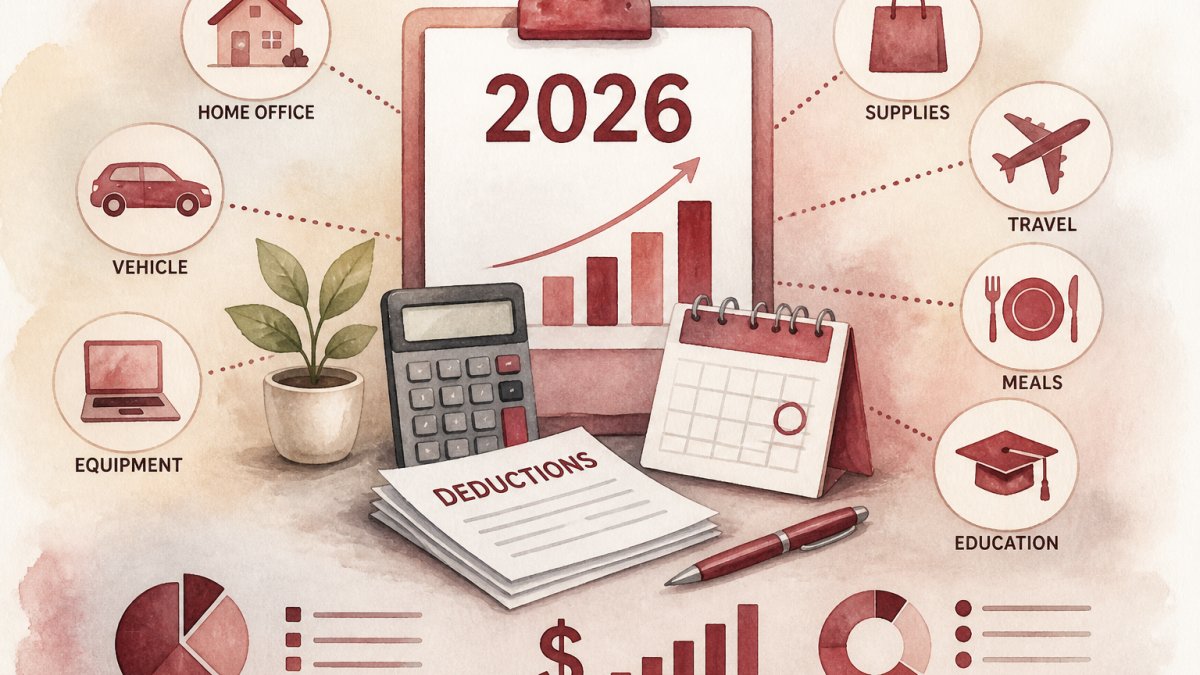
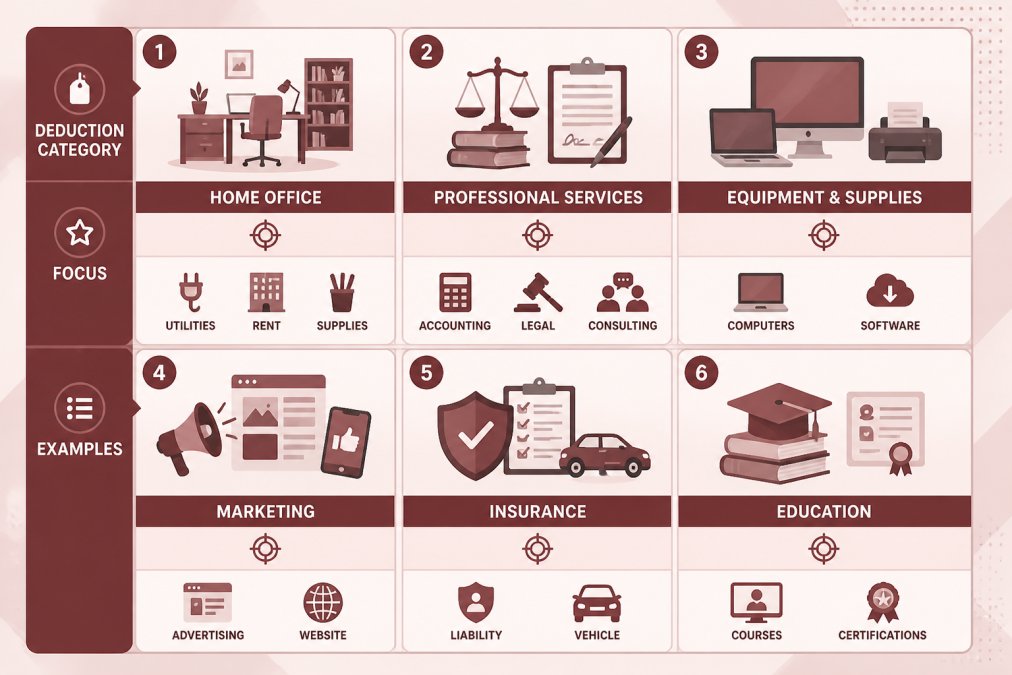
Business expense deduction examples show the range of costs the IRS allows you to reduce your taxable income. Home office expenses qualify if you use a dedicated space exclusively for business, and vehicle expenses for business travel are deductible whether you track mileage or actual costs.
Professional services rank among the most overlooked deductions: accounting fees, legal advice, consulting, and bookkeeping software all reduce your taxable income. Equipment and supplies are deductible in the year you purchase them or depreciated over time, depending on cost and useful life.
Marketing and advertising expenses, including website development, social media ads, and print materials, are fully deductible. Business liability or vehicle insurance premiums qualify, as does continuing education that directly relates to your business.
Tax Deductions vs. Tax Credits for Small Businesses
A tax deduction lowers your taxable income, while a tax credit directly reduces the tax you owe, dollar for dollar. For many small business owners, a credit is more valuable because it cuts your actual tax bill rather than just your income base.
Common small business tax deductions include home office expenses, vehicle mileage, professional services, equipment purchases, and business travel. Tax credits are limited and specific, applying to research and development, hiring certain employees, or energy-efficient equipment. You can claim both in the same year, but they work on different math.
The distinction matters when deciding between two options. If you're buying new equipment, you might take a depreciation deduction over several years or claim a tax credit for energy efficiency in a single year. Working with an accountant in Mamaroneck or Westchester helps you choose the strategy that saves the most.
Tax law changes yearly, and 2026 brings new opportunities and requirements for small business owners. The best approach is to track expenses carefully throughout the year, organize them by category, and review your tax strategy with a qualified professional before filing. At Paldino Company CPA, we help small business owners understand what are new small business tax deductions available to them and structure their finances to minimize tax liability. Our team combines professional expertise with a focus on making complex tax planning accessible and personalized to your business. For current IRS guidance on business deductions and to ensure you're claiming everything you're entitled to, schedule a consultation with us to review your specific situation and create a tax plan that works for your goals.
Frequently Asked Questions
What are the most common small business tax deductions in 2026?
Common small business tax deductions include home office expenses, vehicle and mileage costs, supplies and materials, equipment purchases, professional services, and health insurance premiums. The specific deductions available depend on your business structure and industry. For detailed guidance on what qualifies in your situation, consult the IRS website or speak with a tax professional who understands your business.
Can a new startup deduct startup costs?
Startup businesses can deduct certain organizational costs, though there are limits and timing rules. The IRS allows businesses to deduct up to $5,000 in startup expenses in the year they begin operations, with the remainder amortized over 15 years. Eligible startup costs include business licenses, legal fees, and accounting services. Consult the IRS guidance or a tax advisor to determine which expenses qualify for your startup.
How do small business tax deductions differ from tax credits?
Tax deductions reduce your taxable income, lowering the amount of income subject to tax. Tax credits directly reduce the tax you owe, dollar for dollar. A $1,000 deduction saves you money based on your tax rate, while a $1,000 credit saves you exactly $1,000 in taxes. Both can help reduce your tax burden, but credits typically provide greater savings.