 how-to
Bookkeeping Services Cost for Sole Proprietors
Table of Contents
- What Affects Bookkeeping Services Cost
- Bookkeeping Rates for Small Businesses
- Preparing Your Records: A Bookkeeping Checklist for Sole Proprietors
- Frequently Asked Questions
Last Updated: October 17, 2026
What Affects Bookkeeping Services Cost
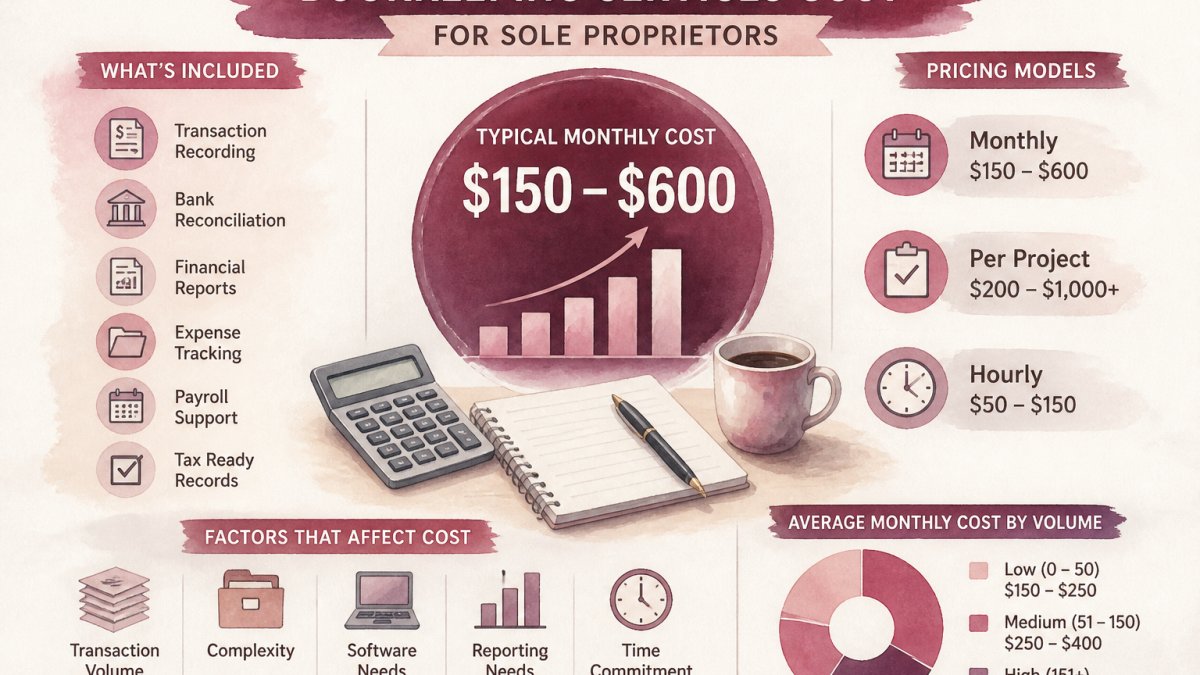
Bookkeeping services cost depends on your business complexity, transaction volume, and accounting software. At Paldino Company CPA, we help sole proprietors navigate these variables.
Business size matters most: a freelancer with 50 monthly transactions pays differently than a retail operation with hundreds. Bank accounts, credit cards, and income streams also drive up the work.
Industry type affects pricing too, service businesses are often simpler than e-commerce. Organized records mean faster work and lower costs.
Bookkeeping Rates for Small Businesses
Bookkeeping services typically use three pricing models: hourly rates, fixed monthly fees, or project-based pricing, each suited to different workloads.
Hourly rates offer flexibility but variable costs; fixed fees offer predictability for consistent workloads; project-based pricing suits one-time setup or cleanup.
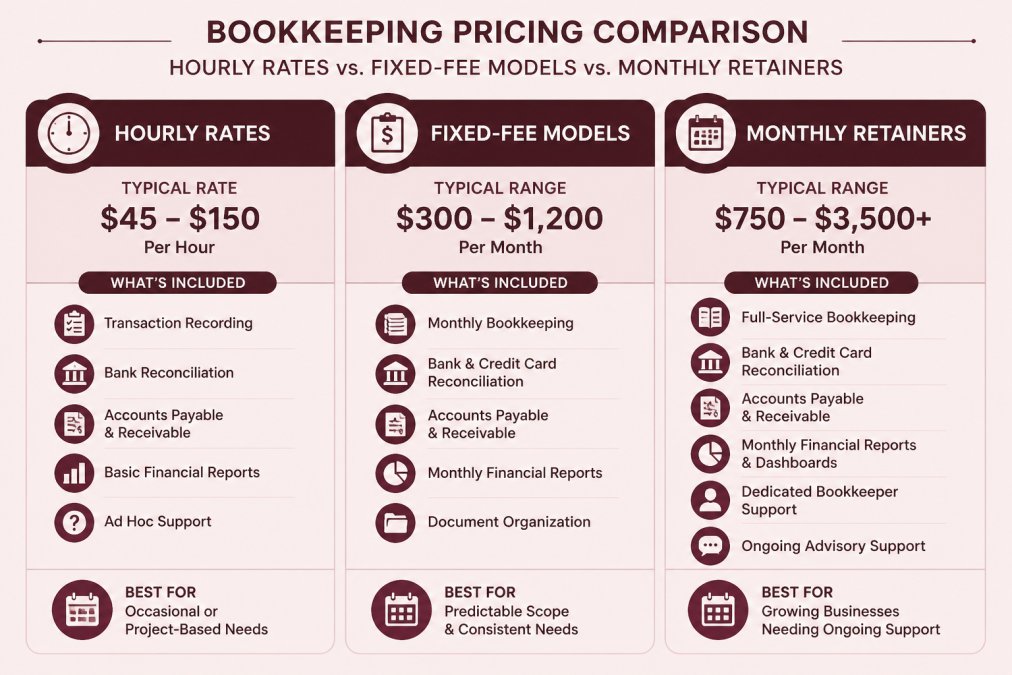
Many sole proprietors use a hybrid: a fixed fee for monthly bookkeeping plus hourly rates for extra tax-season work.
If income and expenses are steady, a fixed fee makes sense; if your business fluctuates, hourly or project-based pricing may work better.
Preparing Your Records: A Bookkeeping Checklist for Sole Proprietors
Good bookkeeping starts with organized records, which keep costs down by reducing the time your bookkeeper spends organizing data.
Essential records to maintain:
-
Monthly bank and credit card statements
-
Receipts for all business expenses
-
Invoices you send to clients
-
Mileage logs for vehicle deductions
-
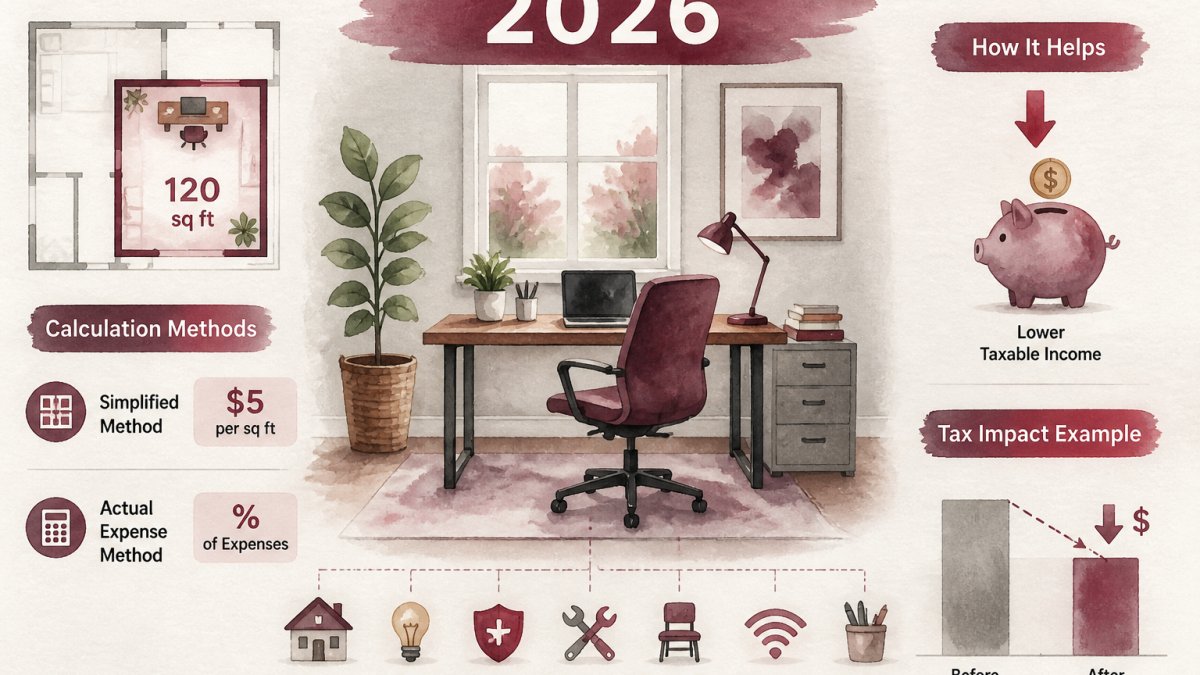
Documentation for home office expenses
-
Loan and equipment purchase documentation
Keep these records in one place, a folder, spreadsheet, or accounting software like QuickBooks makes handoff simple.
Update records monthly, not quarterly or yearly. Monthly reconciliation catches errors early and keeps your bookkeeping services cost predictable.
Managing bookkeeping services cost as a sole proprietor comes down to understanding what drives your expenses and staying organized. Paldino Company CPA works with sole proprietors throughout Mamaroneck and the surrounding region to simplify bookkeeping and tax planning. Whether you need monthly bookkeeping, tax preparation, or strategic guidance, our team helps you achieve peace of mind. Schedule an appointment to discuss your bookkeeping needs.
Frequently Asked Questions
What factors affect bookkeeping services cost for a sole proprietor?
Several factors influence bookkeeping services cost. Business complexity matters, a service business with few transactions costs less than a retail operation with daily sales. Your transaction volume, the number of accounts you maintain, whether you have employees, and your current record-keeping system all affect pricing. Additionally, whether you need tax planning, financial reporting, or just basic transaction recording impacts the scope and cost of services. Geographic location and the specific expertise required also play a role.
What's the difference between hourly and fixed-fee bookkeeping for small businesses?
Hourly bookkeeping rates charge you for time spent on your account, making costs variable based on complexity. Fixed-fee models charge a set amount monthly or quarterly regardless of hours worked, providing budget predictability. Monthly bookkeeping services for small business typically use fixed fees, allowing you to plan finances more easily. Hourly models work better if your needs fluctuate significantly, while fixed fees suit businesses with consistent, predictable bookkeeping demands.
What should I prepare before hiring a bookkeeper, is there a checklist?
Yes. A bookkeeping checklist for sole proprietors should include organizing bank statements, invoices, receipts, and expense documentation. Gather records of all business income sources and categorize expenses. If you've been using accounting software, compile your login credentials and current data. Document any outstanding invoices or unpaid bills. List business accounts and credit cards. Identify any previous tax returns or financial records. The more organized your records, the faster a bookkeeper can get started and the lower your initial setup costs.