 how-to
Outsourced Accounting for Small Business: A How-To Guide
Table of Contents
- What Outsourced Accounting Includes
- Bookkeeping vs. Accounting for Small Business
- Cost of Outsourced Bookkeeping Services
- How to Choose a CPA Firm
Last Updated: August 24, 2026
What Outsourced Accounting Includes
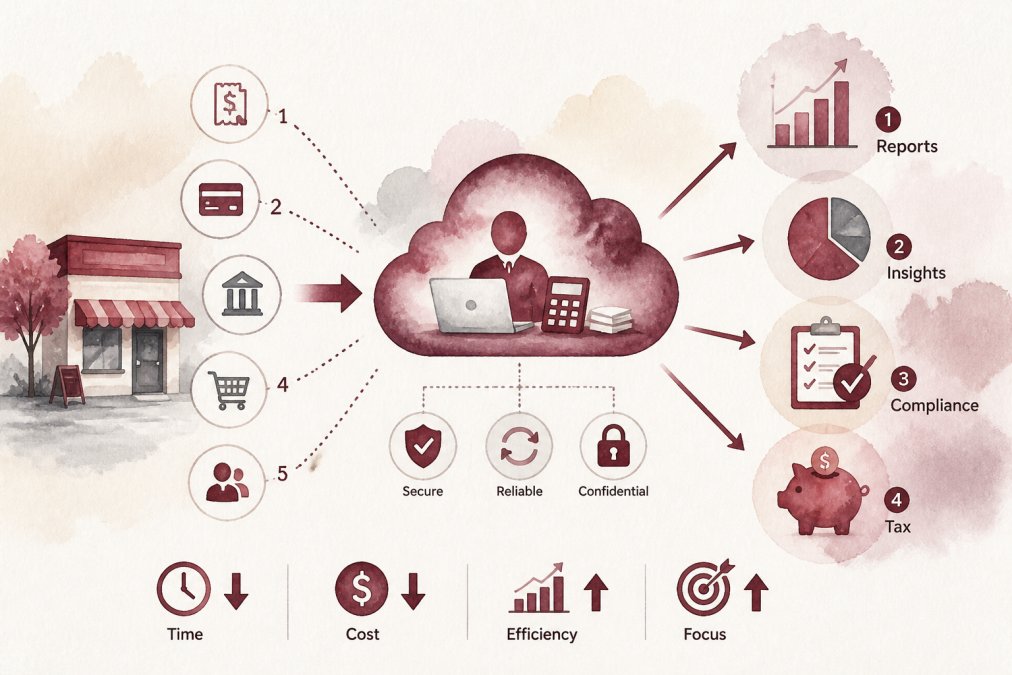
Outsourced accounting for small business encompasses bookkeeping (recording transactions, bank reconciliation, accounts payable and receivable), financial reporting (monthly or quarterly statements), payroll processing, tax compliance, and strategic financial planning. Some firms also provide CFO-level advisory services, helping small business owners make data-driven decisions about cash flow management, budgeting, and business growth.
At Paldino Company CPA, the approach combines these operational services with year-round tax guidance, ensuring your financial records stay clean and your tax strategy stays ahead of changes. The real value isn't just accuracy, it's having someone monitoring your financial health continuously, not just once a year.
Bookkeeping vs. Accounting for Small Business
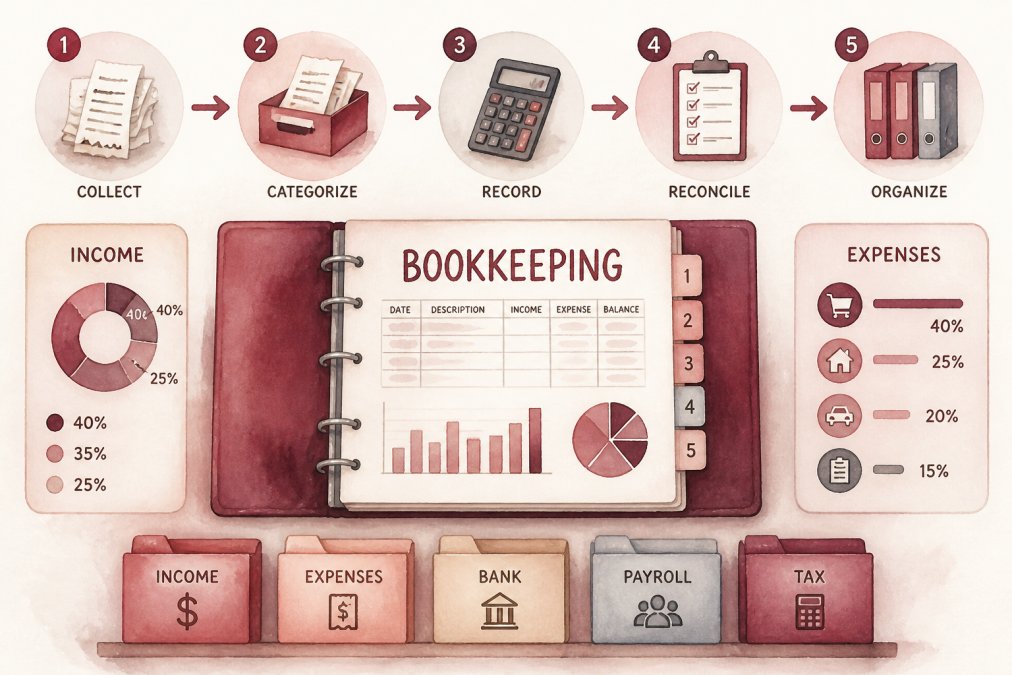
Bookkeeping is the foundational work: recording transactions, reconciling bank statements, managing accounts payable and receivable, and maintaining the general ledger. Accounting takes that data and transforms it into financial statements, identifies tax opportunities, flags cash flow risks, and provides strategic guidance. A bookkeeper tells you what happened. An accountant explains what it means and what to do about it.
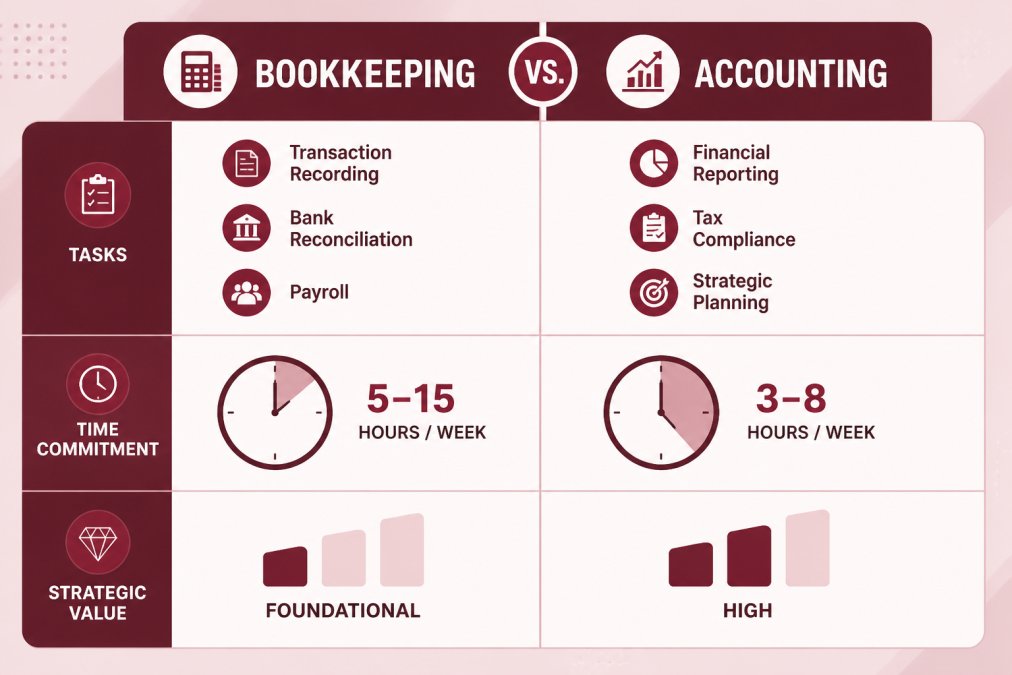
For small businesses, outsourcing both functions to a single firm creates better continuity, the accountant reviews the bookkeeper's work, catches errors early, and builds a complete picture of your financial position.
Cost of Outsourced Bookkeeping Services
Pricing for outsourced accounting varies based on transaction volume, complexity, and scope of services. Transaction volume is a primary factor, a freelancer with 50 monthly transactions pays differently than a $2M revenue e-commerce business with thousands. Complexity matters too: a service business with simple invoicing costs less than a manufacturing operation with inventory tracking and multiple cost centers.
The hidden value in outsourced accounting is what you avoid: costly errors, missed tax deductions, late filing penalties, and the time your team spends wrestling with spreadsheets instead of running the business (irs.gov). Many small business owners find that the cost of outsourcing is offset by tax savings, faster financial reporting, and the ability to focus on revenue-generating work.
For pricing specifics and a quote tailored to your situation, reach out directly, costs depend on your unique circumstances, transaction volume, and the depth of advisory services you need.
How to Choose a CPA Firm
Selecting the right firm for outsourced accounting for small business requires looking beyond credentials. You need a partner who understands your industry, communicates clearly, and stays engaged year-round, not just at tax time.
Start by assessing whether the firm has experience with businesses similar to yours. A CPA who specializes in service businesses, e-commerce, or creative agencies will spot opportunities and risks that a generalist might miss. Ask about their tech stack: do they work with QuickBooks, Xero, or your accounting software? Can they integrate with your existing tools?
Communication style matters as much as technical expertise. You want a firm that explains financial concepts without jargon, responds promptly to questions, and schedules regular check-ins to discuss strategy. Ask about their approach to year-round support: what does that include? Monthly reviews? Quarterly planning calls? Access to your accountant when questions arise?
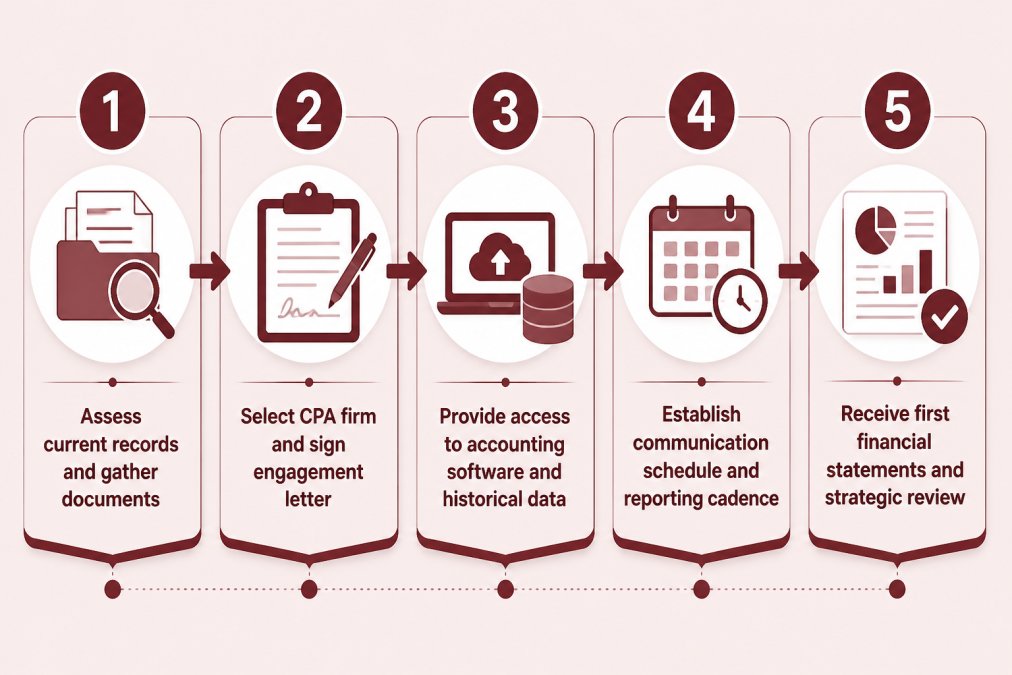
Trust your instinct about fit. A firm with strong credentials but poor communication will frustrate you. One that takes time to understand your business and asks thoughtful questions about your goals is worth the investment.
Choosing to outsource your accounting is a decision to invest in clarity and strategic guidance. The right CPA firm becomes an extension of your team, handling the financial complexity so you can focus on growing the business. Paldino Company CPA brings that combination of technical precision and human-centered approach, understanding not just your numbers, but your goals. Schedule an Appointment to discuss how outsourced accounting can simplify your financial operations and support your business growth.
Frequently Asked Questions
What is the difference between bookkeeping and outsourced accounting?
Bookkeeping focuses on recording daily transactions, reconciling accounts, and maintaining accurate financial records. Outsourced accounting includes bookkeeping plus tax compliance, financial statement preparation, and strategic financial planning. When you outsource accounting for small business, you gain access to professional analysis of your financial health, not just transaction tracking. Many small business owners find that outsourced accounting provides the oversight and guidance they need to make informed decisions about growth and cash flow management.
How do I know if I should outsource my accounting?
Consider outsourcing if you spend more than 5-10 hours weekly on accounting tasks, struggle to stay on top of tax deadlines, lack confidence in your financial records, or want strategic financial guidance. Outsourcing works well for businesses with growing transaction volume, those managing payroll processing, or owners who need CFO-level support without hiring full-time staff. If your current system creates stress or takes time away from running your business, outsourced accounting typically pays for itself through improved efficiency and better financial oversight.
What should I look for when choosing a CPA firm?
When evaluating how to choose a CPA firm, prioritize experience with your industry, clear communication about fees and services, and willingness to understand your specific business goals. Ask how they handle data security and what accounting software they use, integration with your existing tools matters. Look for firms that offer year-round support, not just annual tax filing, and check whether they provide strategic planning alongside compliance. A good fit means the CPA takes time to learn your business and offers actionable advice, not just paperwork filing.
This article was written using GrandRanker